Key Takeaways
- Top-freezer fridges dominate Uganda because they cost less to buy and run
- Bottom-freezer models put fresh food at eye level, which is more convenient
- Top-freezer units are about 15 to 25 percent cheaper than equivalent bottom-freezer models
- Most Ugandan families prefer top-freezer for value and familiarity
The Top-Freezer Standard
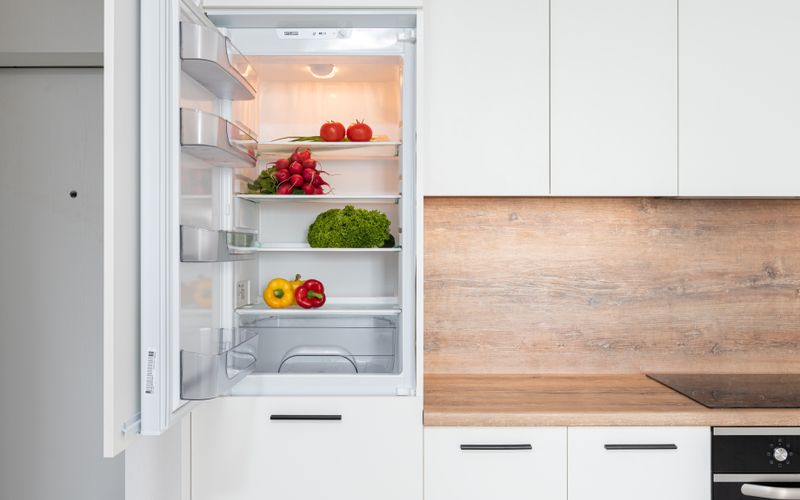
Walk through any appliance section in Kampala and top-freezer fridges dominate the floor. The Samsung RT26 at UGX 1,497,600 is the classic configuration: freezer compartment on top, larger fridge section below. This design has been the standard for decades and for good reason.
Top-freezer fridges are cheaper to manufacture and cheaper to run. The compressor sits at the bottom, pushing cold air up into the freezer. It's simple physics and it works. They're also easier to repair because the design is so common. Every technician in Kampala knows how to fix a top-freezer fridge.
Why Consider Bottom-Freezer?
Bottom-freezer fridges put the fresh food at eye level. You don't bend down to grab vegetables or milk. The trade-off: you bend down to access the freezer instead. Since most people open the fridge section far more often than the freezer, this layout makes ergonomic sense.
In Uganda, bottom-freezer models cost 15 to 25 percent more than equivalent top-freezer units. They're less common, which means fewer technicians have experience repairing them. For most families, the price premium isn't justified by the convenience. But if your budget allows and you value the ergonomics, they're worth considering.